Advertisement

Top Lesbian Travel Destinations
Jan 03, 2024

Comprehensive Guide: Understanding the Balance of Payments
Feb 17, 2025

Top 7 Best Spots To View The Northern Lights In 2022
Oct 11, 2023
Comprehensive Guide: Understanding the Balance of Payments
Feb 17, 2025 By Kelly Walker
The Balance of Payments (BoP) is a comprehensive record of all economic transactions between residents of a country and the rest of the world over a specific period, typically a year. It captures both the inflows and outflows of goods, services, and capital, providing a holistic snapshot of a country's economic interactions with the global community. The BoP is composed of various components, with the two main ones being the current account, which deals with trade in goods and services, and the capital and financial accounts, which capture investment flows and financial transfers. This overview aims to delve deeper into the nuances of the capital and financial accounts and their significance in the overall BoP framework.
Background & Importance of Balance of Payments
Historically, the concept of the Balance of Payments (BoP) has evolved from simple trade records to the comprehensive account of international economic transactions we recognize today. The BoP, in its current format, not only acts as a ledger for trade in goods and services but also captures a nation's financial engagements and transfers with the rest of the world. Its significance in international economics and policymaking is profound. BoP data provides policymakers with insights into a country's economic health, guiding decisions related to monetary policy, exchange rates, and trade regulations. Furthermore, for international economists and analysts, the BoP is an indispensable tool, revealing patterns of global trade, financial flows, and potential economic vulnerabilities.
Diving into the Capital Account
Definition and components:
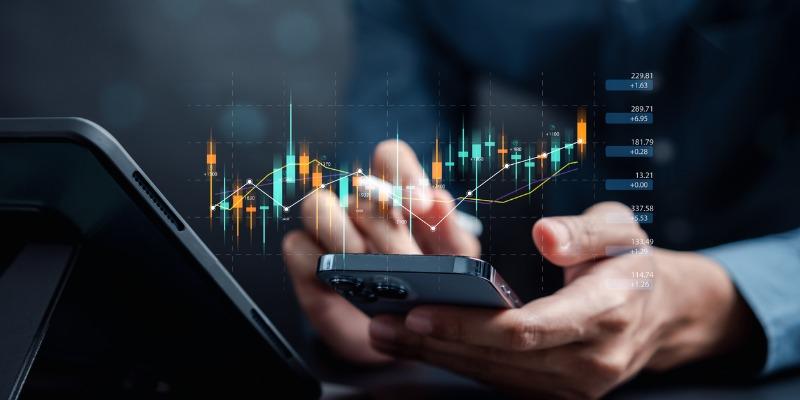
The Capital Account, as part of the Balance of Payments, captures non-financial transfers and transactions that involve the transfer of ownership of fixed assets, acquisition/disposal of non-produced, non-financial assets, and capital transfers. These can include the transfer of funds associated with inheritance, debt forgiveness, or transfer of goods without a quid pro quo.
Common transactions within the Capital Account:
Typical transactions recorded in the capital account encompass large-scale infrastructure projects, real estate sales to non-residents, and transactions involving intellectual property rights such as patents, copyrights, and trademarks. Additionally, capital transfers, such as grants, debt forgiveness, or inheritance transfers that cross borders, also get recorded here.
How the Capital Account interacts with other BoP components:
The Capital and Financial Accounts, along with the current account, balance the overall Balance of Payments. If a country has a current account deficit, it might sell assets, leading to outflows in the capital or financial accounts. On the other hand, a surplus might result in acquiring foreign assets, causing inflows. These interactions reflect the country's evolving economic relationship with the global community.
Exploration of the Financial Account
Definition and components:
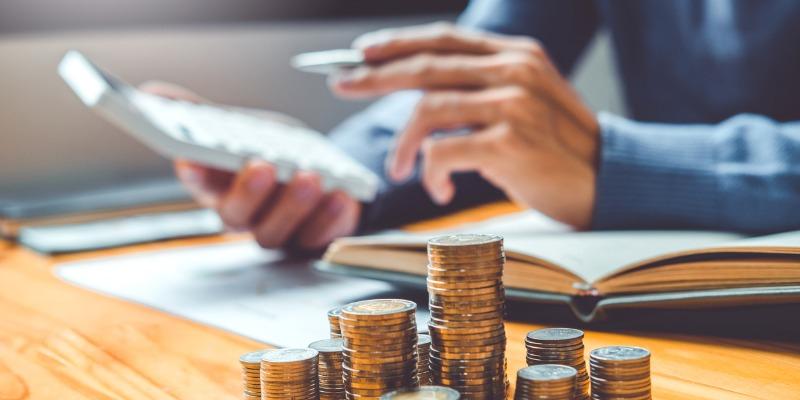
The Financial Account, within the framework of the Balance of Payments, documents transactions associated with changes in international ownership of assets and liabilities. It records the inflows and outflows of financial resources, providing insights into a country's level of investments and borrowing from the rest of the world. The primary components of the financial account include:
- Direct investment: This involves transactions related to investment where the investor aims to have a lasting interest and a significant influence (typically defined as owning 10% or more of voting shares) on the enterprise in another economy. It can be broken down into Foreign Direct Investment (FDI) and Direct Investment Abroad by the country in question.
- Portfolio investment: These transactions concern investments in securities that do not grant the investor a significant influence over the enterprise. It mainly comprises transactions in equity (like stocks) and debt securities (like bonds and notes).
- Financial derivatives: These are financial instruments whose value is linked to the price of an underlying item. Transactions involving options, futures, and swaps are typical examples.
- Other investment: This includes diverse categories such as loans (both granting and receiving), currency holdings, and deposits. It encapsulates any financial transaction not covered by the other components.
Common transactions within the Financial Account: Typical transactions within the financial account involve the purchase and sale of equity and debt securities, cross-border lending and borrowing, deposits made by residents in foreign banks or by foreigners in domestic banks, and trading in financial derivatives.
Differences between Financial Account and Capital Account:
While both the financial and capital accounts are vital components of the Balance of Payments, they capture different types of transactions. The Financial Account mainly deals with changes in international ownership of financial assets and liabilities, encompassing a wide range of investments and borrowings. In contrast, the Capital Account records transfers of capital, involving non-produced, non-financial assets and capital transfers like debt forgiveness and inheritances. In essence, while the financial account reflects investment and borrowing activities, the capital account captures more specific, often non-recurrent transfers of capital.
Real-world Applications & Implications
In the international economic landscape, nations rely on the Capital and Financial Accounts to guide policies, optimize investment environments, and regulate debt. This cross-border flow of funds is influenced by variables such as interest rates, geopolitical events, and economic forecasts. Institutions like the IMF play a pivotal role, overseeing these financial movements, giving policy recommendations, and extending financial aid, all aimed at assisting countries to traverse the intricacies of global finance and sustain economic equilibrium.
Challenges & Controversies
Balance of Payments (BoP) faces challenges like data discrepancies, which can skew interpretations and policy decisions. Critics argue BoP might not fully represent today's complex global economic interactions. The growth of the digital economy, including digital currencies and e-commerce, demands that traditional BoP methodologies adapt to capture these evolving financial flows accurately.
Conclusion
The Capital and Financial Accounts are vital for understanding a country's global economic ties, shedding light on investment trends and financial stability. However, with the evolving nature of international transactions due to technology and globalization, it's essential for Balance of Payments methodologies to adapt. This ensures accurate reflections of a nation's financial interactions and supports informed policy-making in a dynamic economic environment.

Helsinki Travel Guide
Jan 23, 2024
Uncover the best of what Helsinki has to offer with this comprehensive travel guide. Learn about popular attractions, cultural experiences and activities that are perfect for all ages. Get ready for your next unforgettable trip!
Jaipur's Achrol Fort: A Day Trek with Thrilling Rappelling
Oct 25, 2023
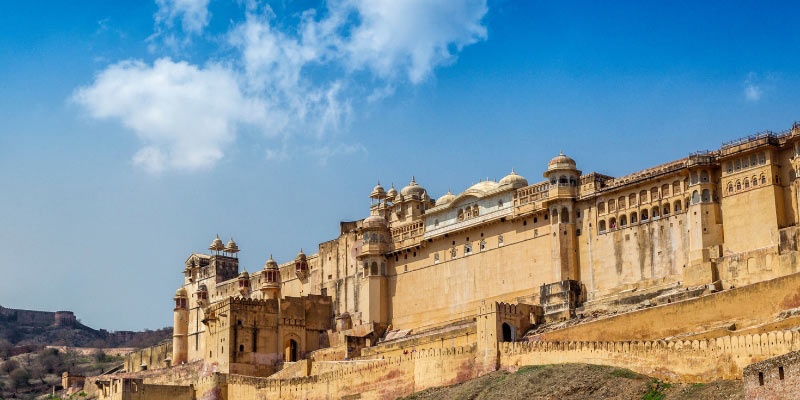
The old Achrol Fort in Jaipur offers an adrenaline-packed day. You'll overcome the fort's challenging terrain by walking and rappelling. Ascending the historic defenses and descending slowly will reward you with spectacular vistas and a feeling of achievement.
local things to do in Sayulita Mexico
Oct 23, 2023
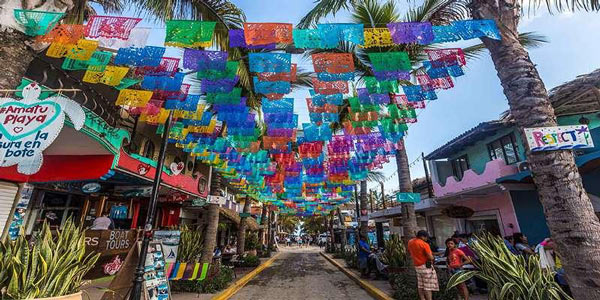
Take your next vacation to Sayulita, Mexico and discover all the amazing activities this idyllic beach paradise has to offer! From luxury resorts and yoga classes to surfing sessions at Playa los Muertos - we've got you covered.
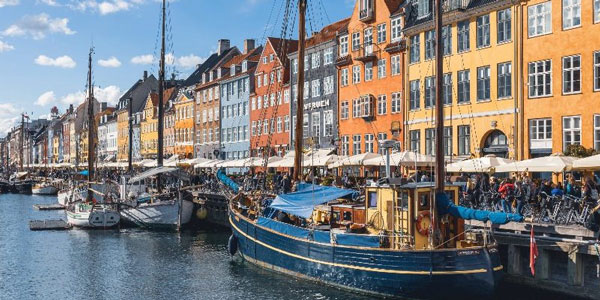
Good Reasons To Visit Denmark At Least Once
Dec 01, 2023
A trip to Denmark is a no-brainer if you're interested in experiencing the relaxed Scandinavian culture and need a few days to unwind. The nation boasts a lively cultural environment, stunning natural surroundings, and vibrant nightlife. This post will provide compelling arguments for planning a trip to Denmark immediately.

All you need to know about Places to Visit in Ipoh, Tourist Places and Top Attractions
Oct 27, 2023
Learn about all the amazing and enchanting Places to Visit in Ipoh, Tourist Places and Top Attractions under this guide along with all the crucial information

best place to see the Northern Lights in the United States
Feb 21, 2024
Dreaming of seeing the majestic northern lights? Get professional tips on the best places to visit in Alaska and learn why this small town is a must-see!

Your Guide to Best Day Out Tours in Jaisalmer
Nov 10, 2023
The content discusses some of the best terms you can take in Jaisalmer City. So make sure to read till the end
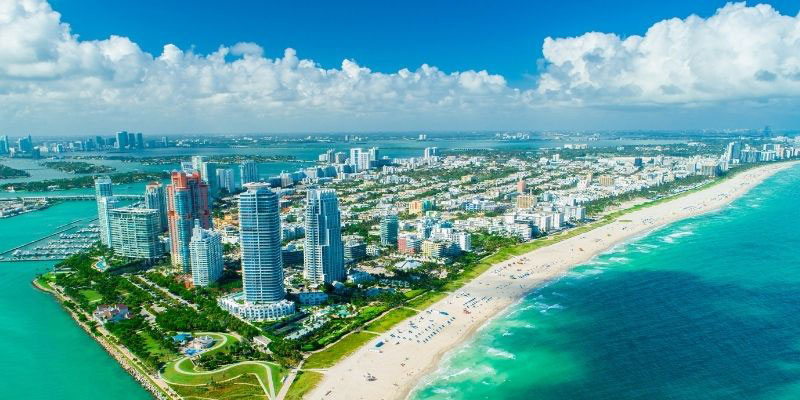
Miami, Florida: What To Do In One Day
Dec 24, 2023
A spike in temperature is imminent. Even a short visit to Miami will leave you with lasting memories. This city has become a famous tourist destination due to its many clubs, beaches, and parties, so if you're looking for a vibrant and interesting place to spend your holiday, go no further. While the area's nightlife is its most prominent feature, visitors will find a wealth of additional options

New Year and Harvest Festivals in India that You Shouldn't Miss
Dec 07, 2023
India is a country of multicultural residents, which is why many New Year and harvest festivals are celebrated in India according to religion.